
Radiators & Fans
Before you compare cooling performance, check that the radiator fits. Measure the space at the mount, then add the thickness of the fans.
Browse radiators and fans


Best sellers in radiators and fans
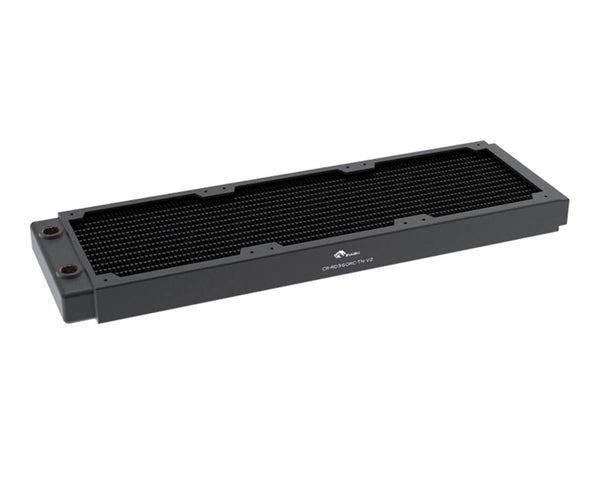
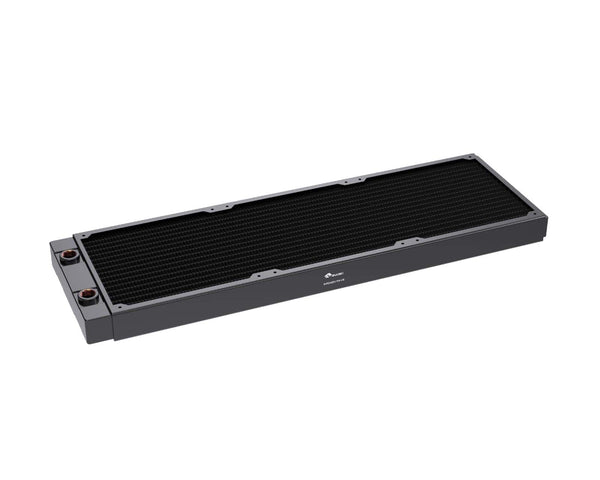
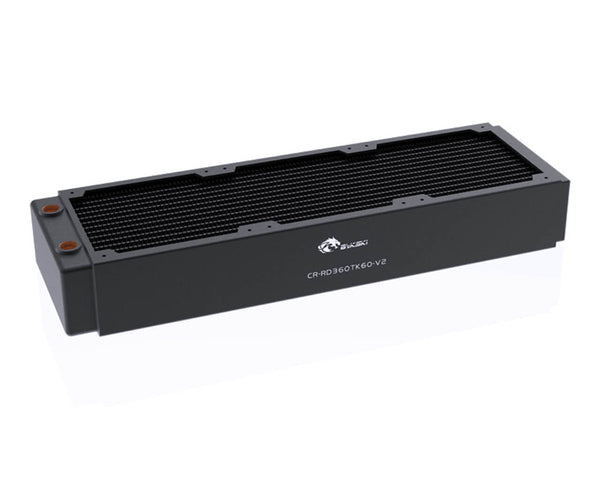

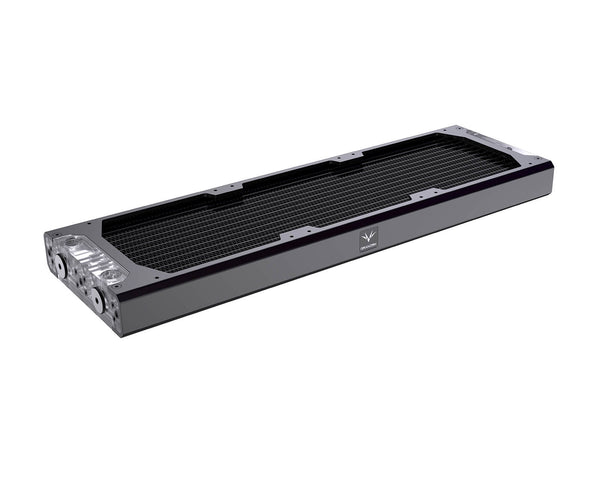
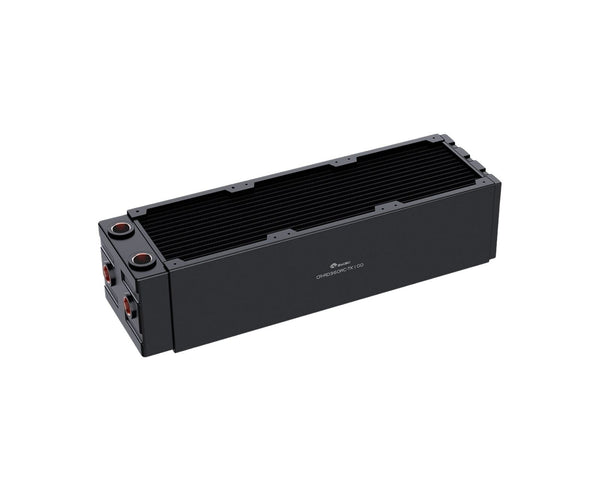
How to pick the right radiator
Case makers list what fits with nothing else installed. Measure the mounting area yourself, including the space to the memory, the top of the motherboard and the front panel cables.
A radiator needs its own thickness plus 25 mm for each layer of fans, or 50 mm with fans on both sides. Check that total, not the radiator thickness alone.
Thick radiators with dense fins need fans built for static pressure. A fan built for airflow moves less air through them at the same speed.
As a guide, a high-power GPU needs a 360 mm radiator: a 120 or 240 mm radiator cannot remove its heat fast enough at full load. Add more radiator when the CPU shares the loop.
About Bykski radiators
A radiator's size tells you the fans it takes: a 360 mm radiator takes three 120 mm fans, and a 420 mm radiator takes three 140 mm fans. Our collections are grouped by fan count.
Thickness is the second number. A thicker radiator removes more heat from the same area, but it needs fans that push air with more pressure.
Server radiators use 80 mm fans because a 2U server is only about 88 mm tall. You will find them, with our server AIO kits, on the workstation and server page.
Not sure it will fit?
Send us your case model and where you want to mount the radiator. We will tell you which sizes fit.